


Feel free to read about our thoughts on training, not only on horses but on what riders should truthfully expect when teaching their horses new skills or re-teaching important fundamentals. Through patience, compassion, and proper training we create not only great horses but great riders.
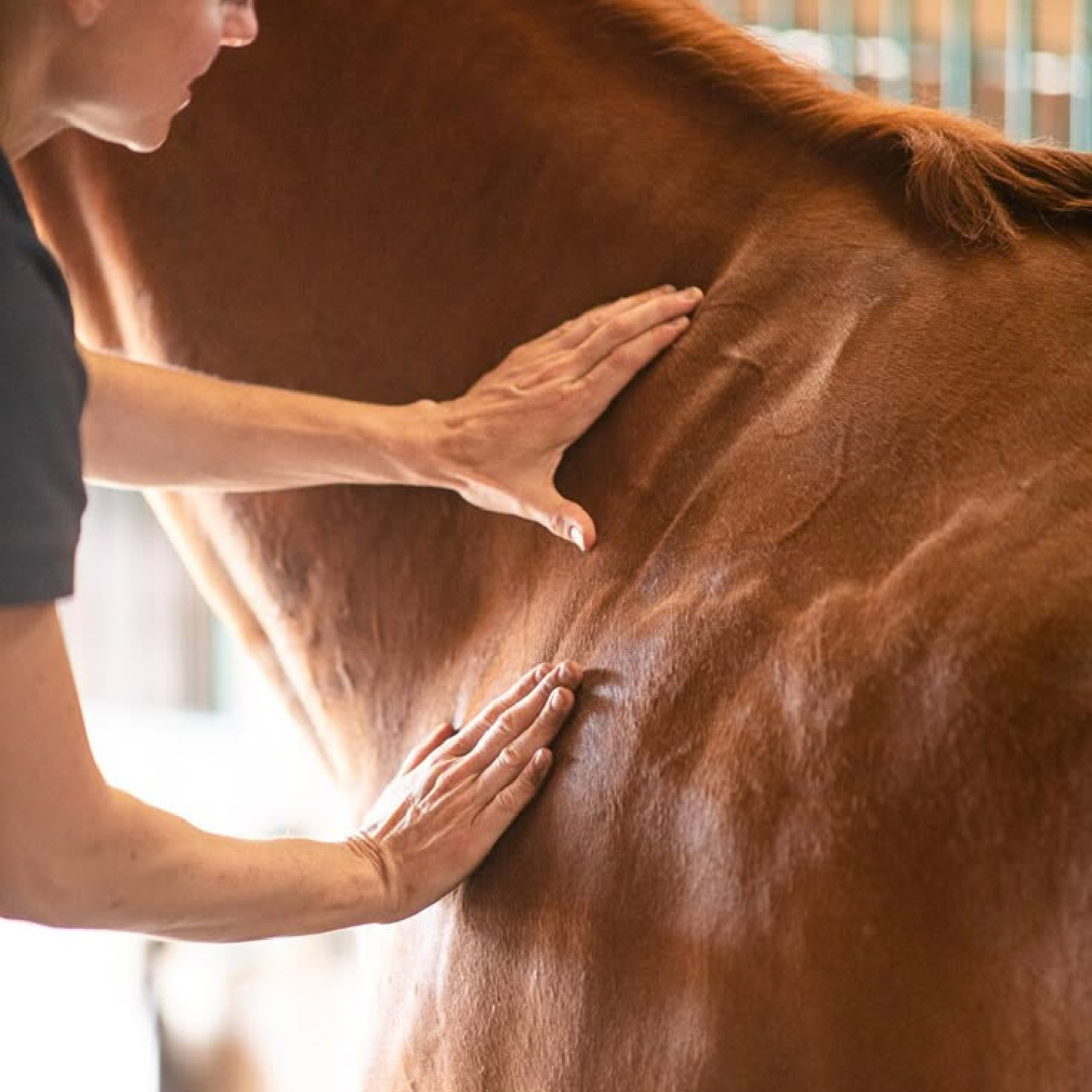
Horse Welfare Begins Long Before the Saddle.
Horse welfare does not begin when we climb into the saddle.
It begins the moment we interact with the horse.
Clear boundaries, consistent handling, and fair expectations create the foundation upon which all good training is built. Horses thrive when they understand the rules of engagement. They find security in consistency and confidence in leadership.
Too often, welfare is discussed only in terms of equipment, turnout, or training methods. While those things matter, a horse that is constantly confused, pushed into uncertainty, or allowed to live without structure experiences its own form of stress.
A horse should know how to stand quietly, lead respectfully, yield to pressure, and remain attentive to the handler. These are not acts of domination—they are acts of communication.
When boundaries are clear, training becomes calmer.
When expectations are consistent, anxiety decreases.
When the horse understands the conversation, trust develops.
Good horsemanship is not measured by how little we ask of the horse.
It is measured by how clearly, fairly, and consistently we teach him.
Horse welfare begins with understanding.
And understanding begins on the ground.

The individual horse must always guide the training.
Dogma has no place in true classical principles.
Classical riding was never meant to be a rigid set of mechanical rules applied identically to every horse. By its very nature, it is an evolving theory built around observation, feel, biomechanics, and the development of the individual athlete over time.
The principles remain steady. The application must remain flexible. Some horses need more time in longitudinal stretching. Some need more lateral organization. Some need confidence before power. Others need relaxation before expression.
Trying to force every horse into the same timeline, frame, or system ignores the very thing classical work is supposed to honor: the horse standing in front of us.
Good training lives in the balance between structure and adaptability.
We hold firmly to the ideals of straightness, relaxation, connection, impulsion, and collection — while remaining soft enough in our approach to adjust how we arrive there for each horse.
In many ways, this mirrors the very dichotomy we seek within the horse itself:
Power without tension. Energy without rushing. Submission without dullness. Relaxation without collapse. The art is not in choosing one side or the other. The art is in learning how both can exist together at the same time.
That is where true horsemanship begins.
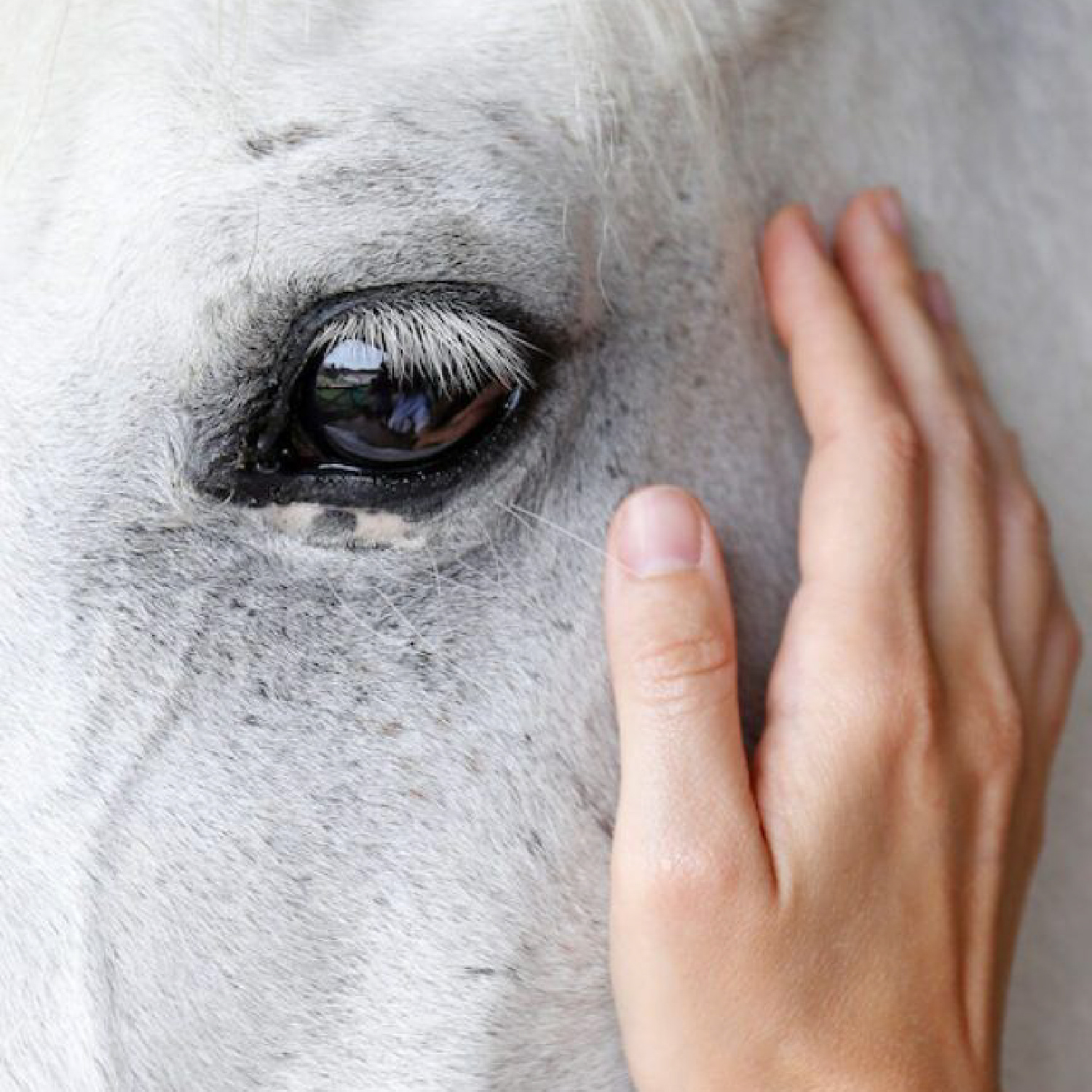

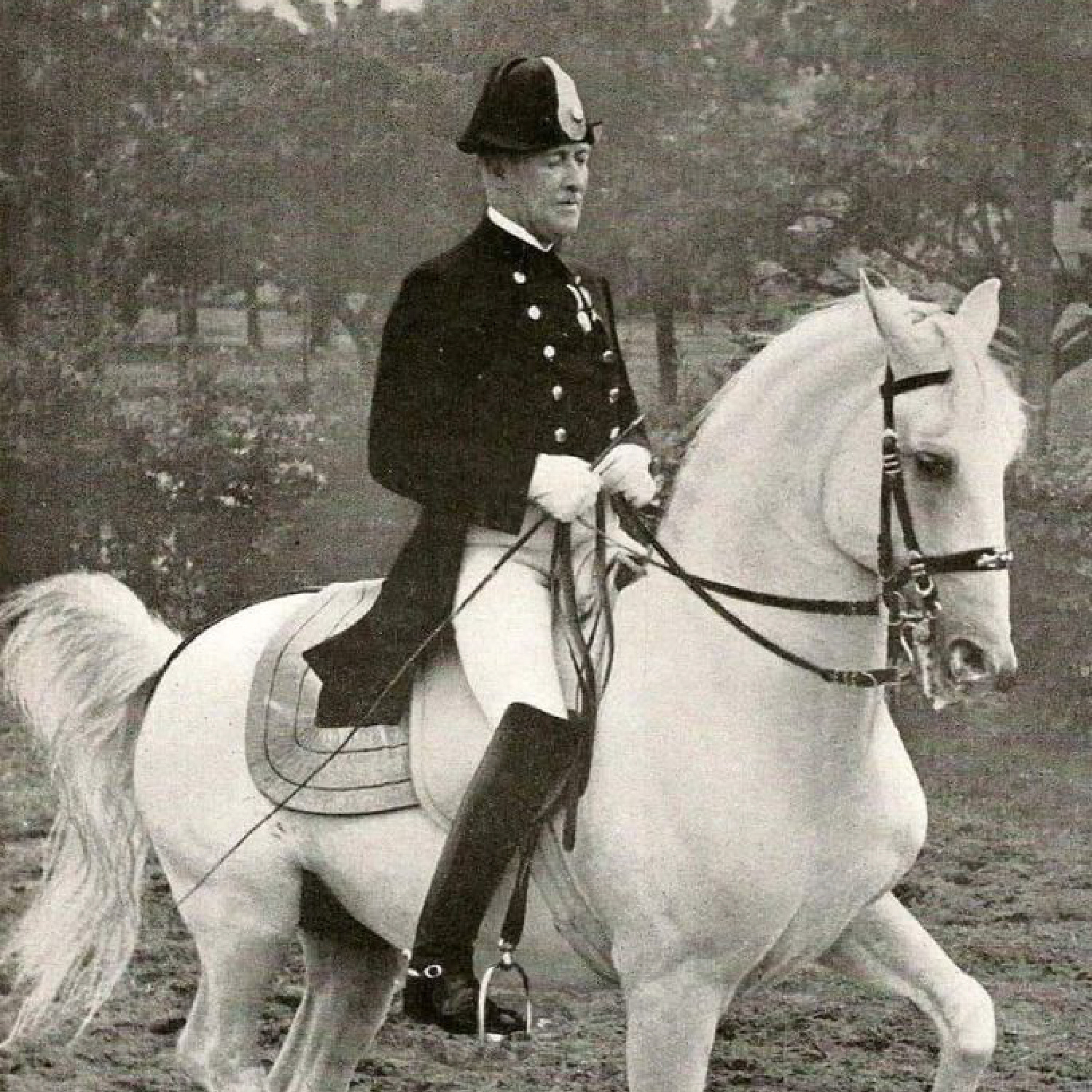
The contact is not there to hold the horse together.
It is there to help the horse learn to balance himself and bridge his body over the topline.
A good contact should feel alive, elastic, and soft in the rider’s hand. Not empty, not heavy, and not fixed. Through that connection, the horse learns how to organize his balance from back to front and gradually carry himself with more coordination and strength.
Many horses initially use the underside of the neck, the jaw, or speed to stabilize themselves. But true development happens when they learn to seek the hand softly, lengthen over the topline, and use the contact as a place of balance rather than resistance.
The rider’s hand should never trap the front end.
It should receive, rebalance, and quietly guide the energy coming from behind.
When the horse understands the contact correctly:
• The neck begins to lengthen naturally from the wither.
• The back starts to swing.
• The base of the neck elevates.
• The horse begins to carry instead of pull.
• The topline starts to “braid” together as one connected system.
This braiding of the topline is not forced by head position. It is developed through relaxation, straightness, correct forward energy, and a hand the horse trusts enough to balance into.
The horse should feel like he is reaching to the rider’s hand for support in balance — not hiding from it, leaning on it, or being held by it.

Collection is not created by making the hindlegs move faster.
True collection is created by teaching the hindlegs to stay on the ground longer and bear more weight.
The goal is not quick, flashy steps behind. In fact, many horses learn to speed up the hindlegs while still pushing their balance forward onto the shoulders. Activity alone is not carrying power.
In real collection, the horse lowers the croup, stabilizes the pelvis, and allows the hindleg to spend more time in the stance phase — standing in the dirt, supporting weight, and recycling energy back upward instead of just pushing backward.
The flexion of the hock is simply a byproduct of this mechanism.
You cannot chase hock flexion directly.
You cannot manufacture collection by pulling the frame shorter or driving the legs faster.
When the horse begins to truly sit, carry, and organize his balance, the joints naturally flex because they are accepting load. The articulation is a result, not the cause.
This is why correct collection often looks quieter than people expect. More carrying power. Less wasted movement. More time on the ground. Less running across it.
Collection is not speed.
It is controlled weight bearing with balance, strength, and self carriage.

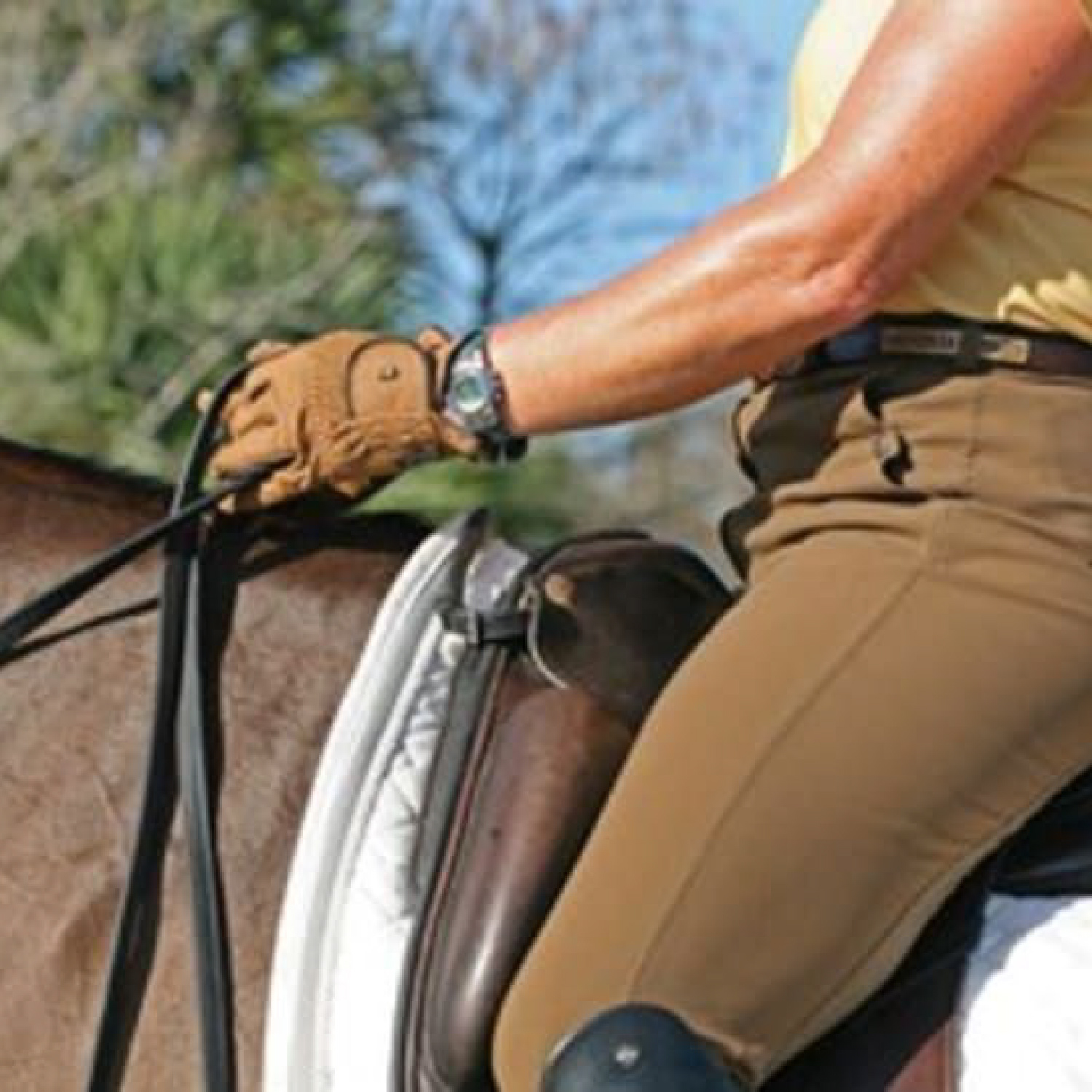
The inside rein must be able to half halt even while it is yielding. It is not just the outside rein the can and should be able to half halt.
If the horse rushes through a soft inside rein or runs away from the inside leg, he is not truly through, balanced, or in self carriage. He may be obedient in the shape, but he is still leaning on the aids instead of carrying himself between them.
The yielding inside rein is not meant to throw the horse away from the contact or pull the neck inward. It invites softness, flexion, and relaxation while the inside leg asks the body to step under and stay connected. Within that conversation, the rider must still be able to rebalance the horse with a quiet half halt.
A horse in true self carriage can stay soft to the yielding rein without quickening.
He can accept the inside leg without bracing or escaping sideways.
He can reorganize his balance without needing the rider to hold him together.
When the horse runs from either the yielding rein or the inside leg, it tells us the balance is still falling forward somewhere in the body. The answer is not stronger aids, but better understanding of straightness, softness, and balance.
Self carriage is proven in the moments the rider softens, yields, and quietly rebalances — not in the moments the rider holds.

One of the biggest missing pieces in modern training I see, is the rider’s ability to adjust the height and connection of the horse’s neck and mouth correctly.
With a simple classical principle:
“Leg on, neck down.”
The horse must learn that when the leg comes on, the topline softens, the back lifts, and the neck reaches honestly into the contact. From there, the rider can gradually influence the height of the frame without losing the connection, rhythm, or relaxation.
Too many horses today are ridden with disconnected necks:
• Horses behind the bit
• Horses compressed in the neck
• Horses above the contact
• Horses with tense under-necks and hollow backs
• Horses that can “look round” without actually working through the body
Why?
Because this critical foundation was skipped. Before collection, before elevation, before expression, the horse must understand how to confidently lengthen and seek the contact from the leg.
The neck is not something to place. It is something that grows out of correct riding.
A rider should be able to:
• Raise the neck without losing the back
• Lower the neck without losing balance
• Shorten the frame without tension
• Lengthen the frame without falling apart
That adjustability is one of the clearest signs of true connection and gymnastic development.
Without it, most horses are simply balancing in compensation patterns rather than moving correctly through the body.
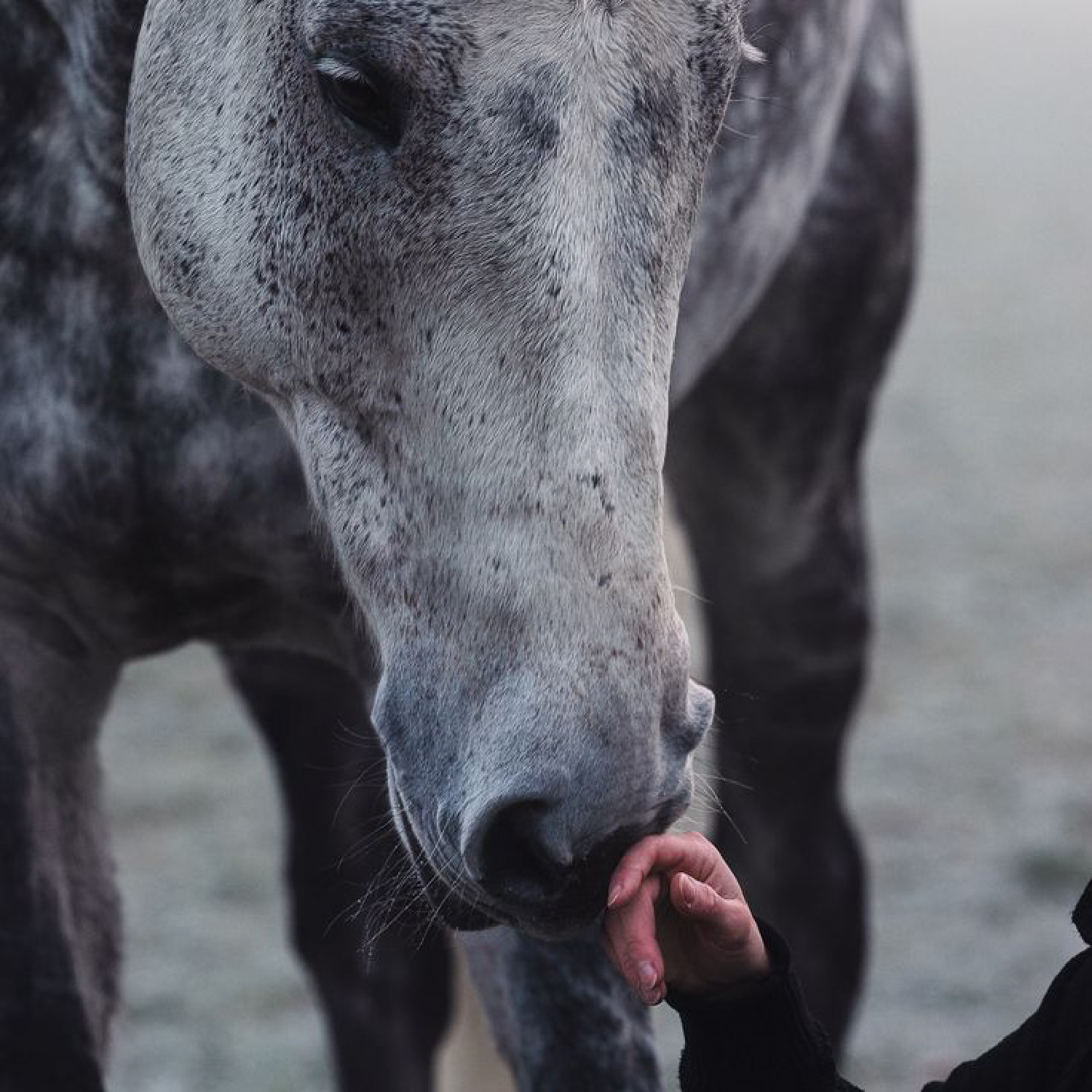

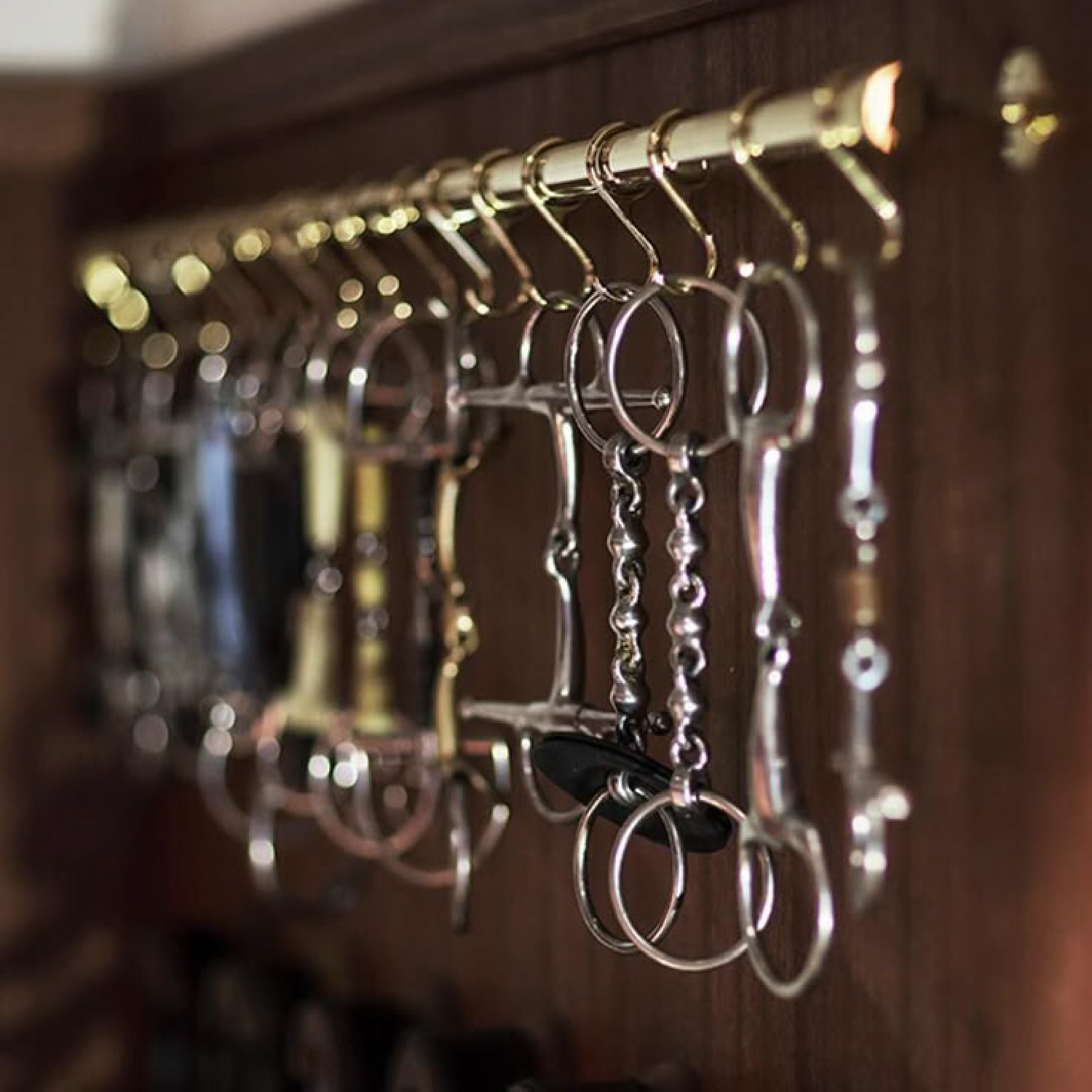
The bit should be a place of communication, balance, and trust. Not punishment.
The industry has moved way to far into the theory of“bit up” a horse that has become heavy, strong, or difficult in the contact.
When a horse is leaning, pulling, running through the hand, or becoming defensive in the mouth, those are almost always symptoms of a training or understanding issue — not simply a “bitting issue.”
The answer is rarely stronger hardware. They need better education.
The horse must learn to:
• Carry himself
• Stop from seat and leg
• Soften longitudinally and laterally
• Step into the contact
• Balance without leaning on the rider’s hand
The bit is there to help connect the horse’s body to the rider through an honest, elastic line of communication. It should become a place the horse confidently seeks, not something he fears, braces against, or hides from.
That said, every horse is different. There is no universally “correct” bit. No single mouthpiece works for every horse. And just because a bit is marketed as “soft” does not mean a particular horse finds it comfortable or understandable.
Some horses are overwhelmed by quick action. Some dislike tongue pressure. Some prefer stability. Some need more movement. Some become anxious in bits that others go beautifully in. Their opinion matters!
A horse cannot truly trust the hand if he is uncomfortable in his mouth. And without that trust, real connection and self-carriage become nearly impossible. Do not force acceptance, listen to the horse and allow him to come to you.
Because the goal is not submission to the bit.
The goal is confidence in the contact.

One of the hardest things for riders to accept in developing or retraining horses is this:
Correct work often looks slow, quiet, and even a little boring for a long time. Young horses and retraining horses should not be rushed into bigger movement, faster tempo, or more expression before they have the balance and strength to carry it. If the horse is constantly pushed in front of his natural balance, the hind legs never truly learn to step under and carry weight. Rather, the horse learns to run forward to avoid falling.
This is where so many problems begin:
• Quick, hurried rhythm that looks stiff
• Heavy shoulders
• Hollow backs
• Tight under-necks
• Leaning on the hand
• Lack of true throughness
• Difficulty collecting later
The horse may look flashy for the moment, but underneath, he is running on imbalance rather than developing strength and confidence in his own biomechanics.
In correct development, the rider allows the horse time to organize his body.
That means:
• Slower tempos
• Smaller steps
• Relaxed repetitions
• Long periods of stretching
• Transitions done without rushing
• Allowing the hind leg time to catch up to the front end
Especially in the beginning, the work should almost feel boring and overly simple. Gymnastic development is not created through energy it is created through relaxation, balance, and repetition of basic skills.
As the horse becomes stronger and more confident in his balance, he naturally begins to offer more. More reach. More suspension. More power. More self-carriage. More expression. Without the need for the rider to keep trying to produce it. His body became capable of producing it honestly and without pressure.
The best movement is developed patiently.
Not manufactured prematurely.
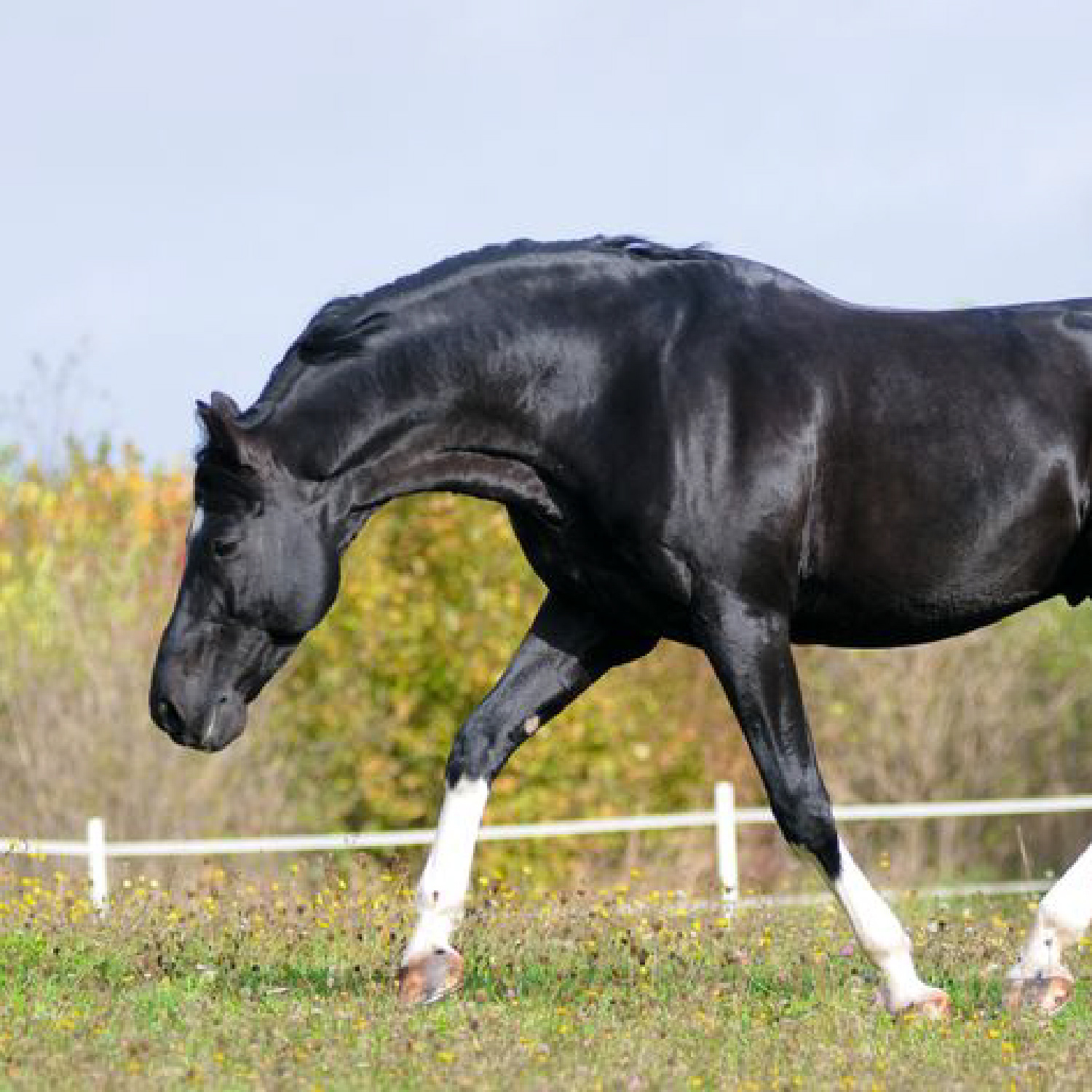

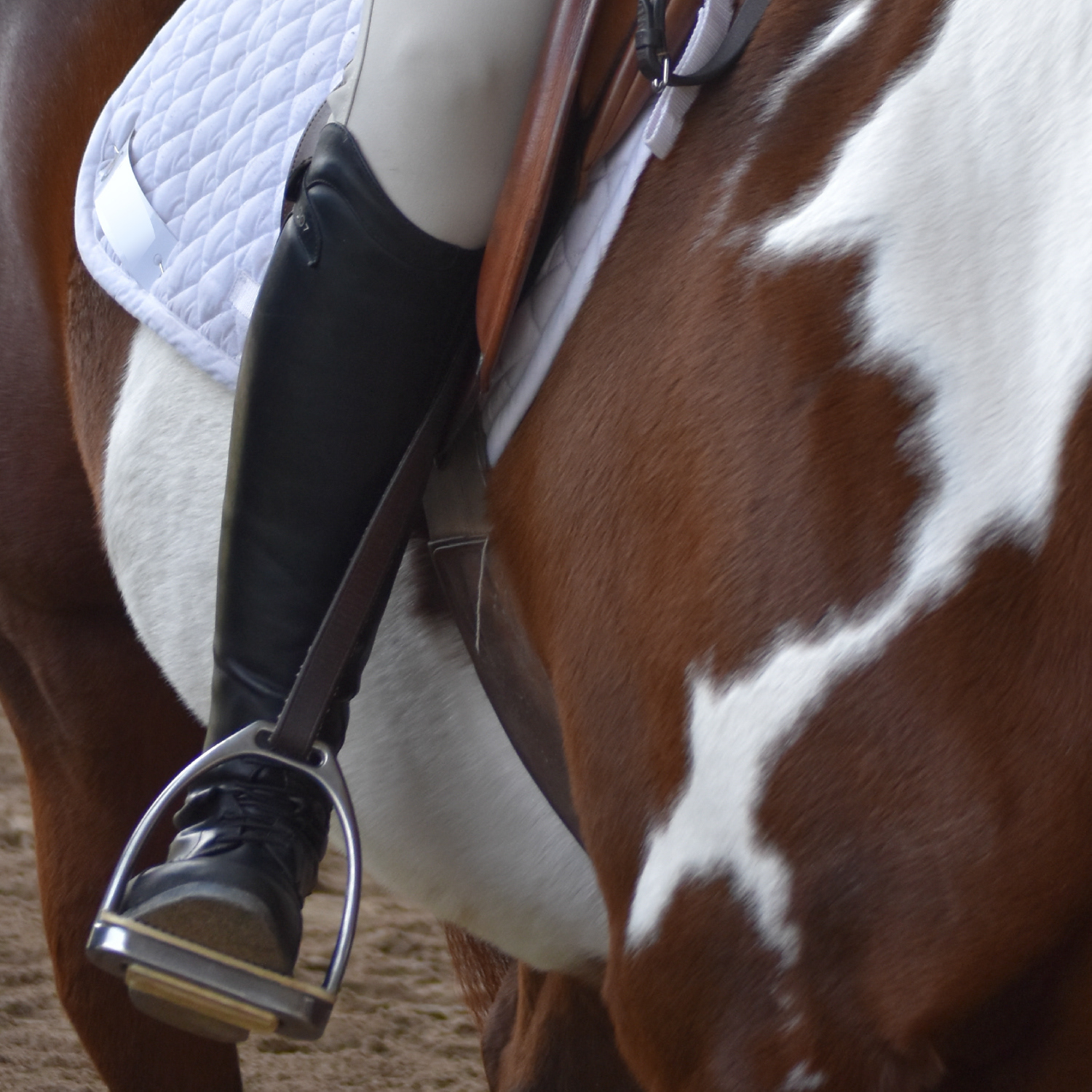
The rider’s lower leg is often misunderstood as a driving force—but in correct training, it is something far more refined than “push” or “create.”
The lower leg should be a stable base of support and a quiet communication tool. Its purpose is clarity, not force. It confirms lateral softness, supports basic longitudinal balance, and gives the horse direction without disturbance.
From the very beginning, the idea of leg on, neck down must be established in a simple, honest way. Not as a trick, but as a way of organizing the horse into understanding: forward intention, soft acceptance, and a stretching topline that comes from relaxation—not pressure.
In correct work, the horse learns to go between the aids—the seat, the leg, and the hand—carrying themselves forward in a straight, relaxed, and willing way. The rider is not there to manufacture movement through the lower leg. The rider is there to set the conditions where the horse can produce the work themselves.
When this is achieved, the lower leg does not need to chase, grip, or constantly adjust to maintain rhythm or shape. The horse is no longer dependent on correction for every stride—they become responsible for their own balance within a clear system.
We don’t produce the work on the horse.
We organize the conversation.
And we allow the horse to do what they are built to do—move freely, honestly, and in self-carriage between the aids.
Thank you!
What are your thoughts?
We love receiving feedback on our equine philosophies. So, if you'd like, we'd love to read what you think!